
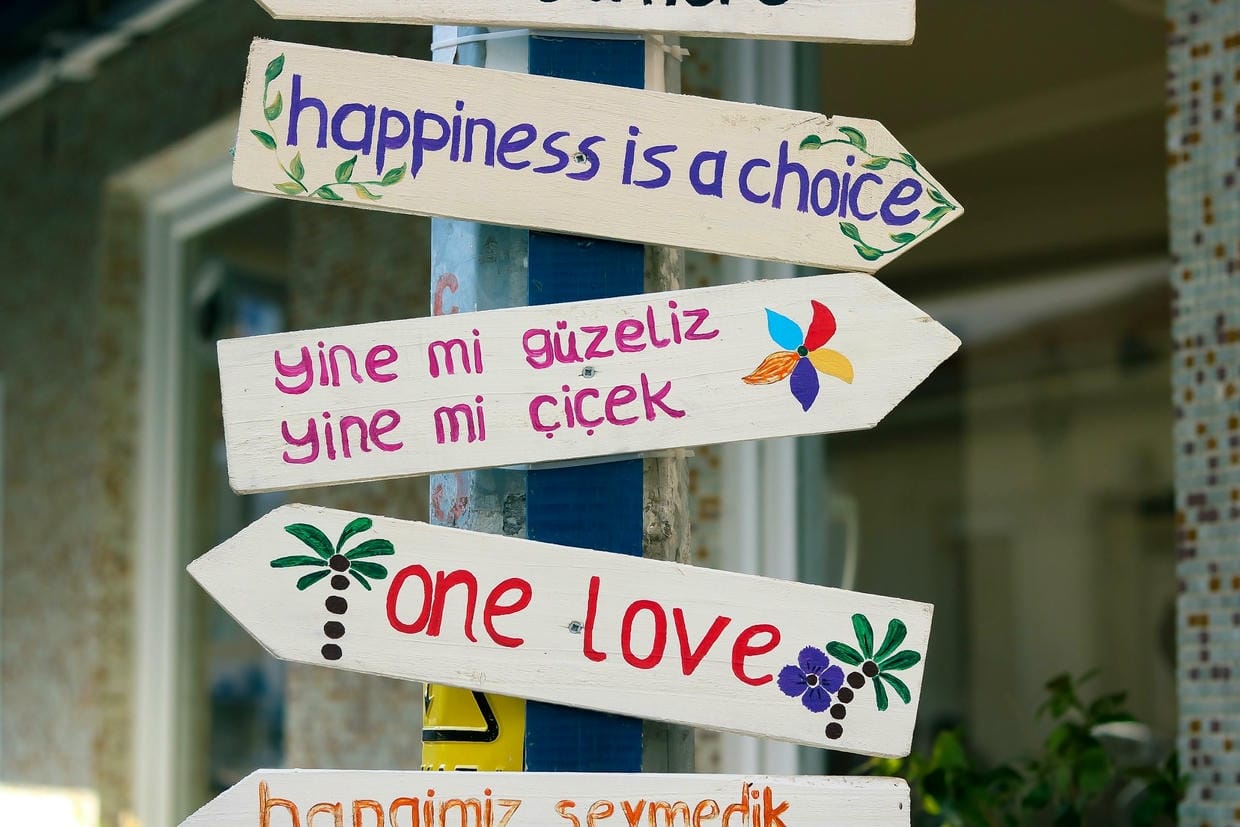
Essential Turkish Phrases for Tourists
Do People Speak English in Turkey?
English is commonly used in tourist areas, hotels and restaurants in major destinations, and less so in smaller towns and rural areas. We found no official data on English use, so a few Turkish phrases are always helpful. A translation app with a camera function can help with menus and signs. Check that it works offline before you travel.Pronunciation Notes
Turkish is almost perfectly phonetic; once you know the rules, you pronounce exactly what you see. Key points: c = “j” sound (like jam) – Cami (mosque) is pronounced “JA-mee” ç = “ch” sound – Çay (tea) is “CHAY” ş = “sh” sound – Şehir (city) is “sheh-HEER” ğ = silent, lengthens the preceding vowel – Dağ (mountain) is “DAA” ı (dotless i) = a sound between “i” and “u”, like the “e” in “the” ö = like the German ö or French eu ü = like the German ü or French u Stress in Turkish usually falls on the last syllable.Essential Phrases
Greetings
Hello – Merhaba (mer-HA-ba) Good morning – Günaydın (gew-NAY-dun) Good evening -İyi akşamlar (EE-yee ak-SHAM-lar) Goodbye – Güle güle / Hoşça kalın (gew-LEH gew-LEH / HOSH-cha ka-LUN) How are you? – Nasılsınız? (na-SUL-su-nuz) Fine, thank you – İyiyim, teşekkür ederim (EE-yee-yim, teh-shek-KUR eh-deh-REEM) Please – Lütfen (LOOT-fen) Thank you – Teşekkür ederim (teh-shek-KUR eh-deh-REEM) Thank you (informal) – Sağ ol (SAA-ol) You’re welcome – Rica ederim (ree-JAH eh-deh-REEM) Yes – Evet (EH-vet) No – Hayır (HA-yur) Excuse me / Sorry – Pardon / Özür dilerim (PAR-don / er-ZUR dee-leh-REEM)Practicalities
Do you speak English? – İngilizce biliyor musunuz? (een-gee-LEEZ-jeh bee-lee-YOR moo-soo-NOOZ) I don’t understand – Anlamıyorum (an-la-MU-yo-room) I don’t speak Turkish – Türkçe bilmiyorum (TURK-cheh bil-mee-YO-room) How much does it cost? – Ne kadar? (NEH ka-DAR) It’s too expensive – Çok pahalı (CHOK pa-HA-luh) Where is…? – …nerede? (…neh-REH-deh) Where is the toilet? – Tuvalet nerede? (too-va-LET neh-REH-deh) Help! – İmdat! (eem-DAT) I need a doctor – Doktora ihtiyacım var (dok-TO-ra eeh-tee-ya-JUM var) Call the police – Polis çağırın (po-LEES cha-UH-run)Getting Around
Where is the metro? – Metro nerede? (MET-ro neh-REH-deh) One ticket, please – Bir bilet lütfen (BEER bee-LET LOOT-fen) To the airport – Havalimanına (ha-va-lee-ma-NUH-na) Stop here, please – Burada durun lütfen (boo-RA-da doo-ROON LOOT-fen) How far is it? – Ne kadar uzak? (NEH ka-DAR oo-ZAK) Left – Sol (SOL) Right – Sağ (SAA) Straight ahead – Düz gidin (DOOZ gee-DEEN)Eating and Drinking
A table for two, please – İki kişilik masa lütfen (EE-kee kee-SHEE-leek MA-sa LOOT-fen) The menu, please – Menüyü getirir misiniz? (meh-NEW-yew geh-tee-REER mee-see-NEEZ) What do you recommend? – Ne tavsiye edersiniz? (NEH tav-SEE-yeh eh-dehr-SEE-neez) I am vegetarian – Ben vejetaryenim (BEN veh-zheh-tar-YEH-neem) I am allergic to… – …alerjim var (…ah-LEHR-zheem var) Delicious! – Çok lezzetli! (CHOK leh-ZEHT-lee) The bill, please – Hesabı alabilir miyim? (heh-SA-buh a-la-bee-LEER mee-YEEM) Water – Su (SOO) Tea – Çay (CHAY) Coffee – Kahve (KAH-veh) Beer – Bira (BEE-ra) Without meat – Etsiz (ET-seez)Shopping and Bargaining
I’m just looking, Sadece bakıyorum (sa-DEH-jeh ba-KU-yo-room) No thank you, Hayır, teşekkürler (HA-yur, teh-shek-KUR-lehr), the single most useful phrase in the Grand Bazaar Can you lower the price?, İndirim yapabilir misiniz? (een-dee-REEM ya-pa-bee-LEER mee-see-NEEZ) I’ll take it, Alıyorum (a-LU-yo-room)Cultural and Mosque Situations
May I take a photo? – Fotoğraf çekebilir miyim? (fo-TOW-raf cheh-keh-bee-LEER mee-YEEM) Is this mosque open? – Bu cami açık mı? (BOO ja-MEE a-CHUK muh)Numbers 1-10
- Bir (BEER)
- İki (EE-kee)
- Üç (OOOCH)
- Dört (DERT)
- Beş (BESH)
- Altı (al-TUH)
- Yedi (yeh-DEE)
- Sekiz (seh-KEEZ)
- Dokuz (do-KOOZ)
- On (ON)
Two Phrases Worth Learning Perfectly
These two phrases, delivered with a smile, are among the most useful for everyday situations: “Teşekkür ederim” (teh-shek-KUR eh-deh-REEM) – Thank you. Use it constantly. Turkish people genuinely appreciate the effort. “Hayır, teşekkürler” (HA-yur, teh-shek-KUR-lehr) – No, thank you. Said firmly but with a smile, it ends any persistent sales approach without offence.Frequently asked questions
Do I need to learn Turkish before visiting Turkey?
No. In Istanbul, Cappadocia, and all major coastal resorts, English is widely spoken in tourist areas. Learning 10 to 20 basic phrases is appreciated and useful, but you will not be stuck without Turkish in the main tourist destinations.
How do you say thank you in Turkish?
Teşekkür ederim (teh-shek-KUR eh-deh-REEM) is the formal version. Sağ ol (SAA-ol) is informal. Both are widely understood and appreciated.
How do you say hello in Turkish?
Merhaba (mer-HA-ba). For good morning specifically, Günaydın (gew-NAY-dun). For good evening, İyi akşamlar (EE-yee ak-SHAM-lar).
Is Turkish hard to learn?
Turkish grammar is quite different from European languages and takes significant time to master. However, Turkish is almost perfectly phonetic, so pronunciation is learnable quickly. A basic set of useful phrases can be learned in an afternoon and will cover most tourist situations.
What is the most useful Turkish phrase for tourists?
Hayır, teşekkürler (HA-yur, teh-shek-KUR-lehr), No, thank you. Said with a smile, it politely ends any persistent carpet shop or restaurant tout approach. The second most useful is Ne kadar? (NEH ka-DAR), How much does it cost?
Where a Few Phrases Go a Long Way
English is widely spoken in Istanbul‘s tourist areas, but a handful of these phrases go further in smaller destinations like Trabzon or Mardin.
Want to see it in person? Explore our Istanbul and Cappadocia destination guides, or browse Hidden Gems of Turkey for more ideas.
 English (UK)
 Türkçe
 Deutsch
 Русский
 العربية
 Français
 Italiano
 Polski
 Български
 Español
 Nederlands
 简体中文
 Українська
 हिन्दी