
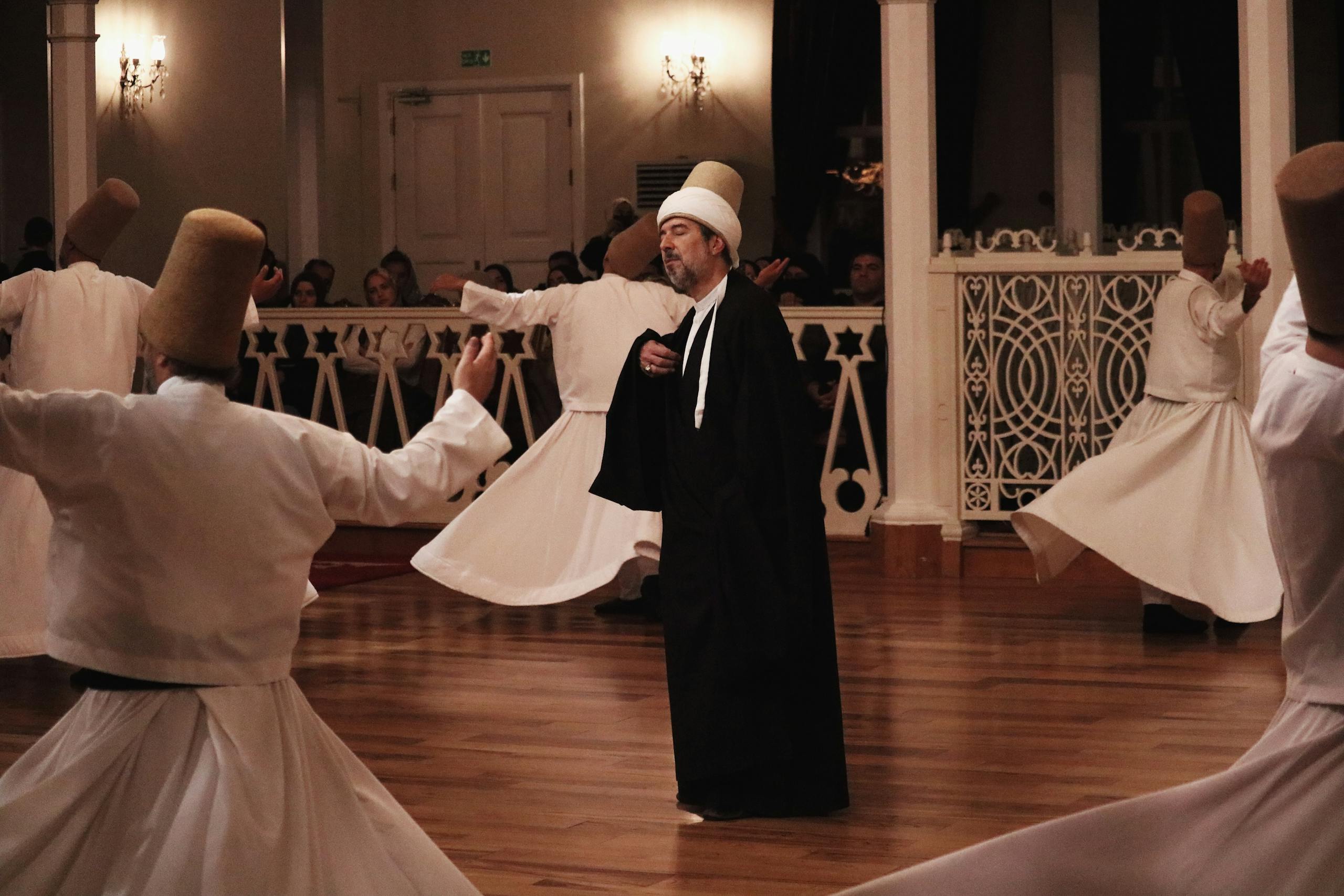
Turkish Culture Etiquette
This is the practical short version: the customs that matter most when you are a guest in Turkey, in the order you will meet them. For the wider cultural background, read our Turkey culture guide.
Greetings and first meetings
Turks greet warmly. A handshake is normal between men, and between men and women it is polite to wait for the other person to offer their hand. Older people are treated with visible respect: stand when they enter, offer your seat and use polite forms of address. A few Turkish words go a long way, and people appreciate any effort. See the phrase table below.
Tea and hospitality
Tea is offered everywhere, from carpet shops to homes and offices. Accepting a glass is a normal social gesture and does not oblige you to buy. Tea is served in small tulip-shaped glasses, and a guest’s glass is refilled until they say enough. If you are invited to a home, bring a small gift such as pastries or flowers, remove your shoes at the door and expect to be fed well. Turkish coffee, served after a meal in a small cup, is a symbol of hospitality too.
Mosque etiquette
- Shoes off where the carpet starts. Racks or bags are normal.
- Cover shoulders and knees. Women should carry a scarf for the head.
- Be quiet and do not walk in front of people who are praying.
- Check visiting times. Mosques may limit visitors around prayer times. We do not give a duration, because it varies by mosque.
- Follow signs about photography and areas closed to visitors.
Dress
There is no legal dress code for visitors. Resort areas and big cities are used to international clothing. In traditional towns and the east, more covered clothing is a courtesy and can reduce unwanted attention. Always dress modestly at religious sites, and carry a light scarf or shawl in your bag.
Conversation
- Atatürk. Be careful with comments. The UK says insulting the nation, flag, president or Atatürk can bring 6 months to 3 years in prison, including for online posts.
- Politics. The Armenian issue, Kurdish politics and relations with neighbors are sensitive. Let locals raise them first.
- Easy topics. Football, food, family and travel are safe everywhere.
At the table
Meals are social and unhurried, with dishes shared. The bill usually has to be requested, and one person often pays for the table. Check your bill for a service charge before you add a tip. There is no official tipping scale. In Ramadan, restaurants stay open in tourist areas, but in conservative areas it is courteous to avoid eating and drinking openly in daylight.
Shopping
Haggling is expected in bazaars and not in shops with price tags. Take your time, compare prices and do not feel pressured. Do not start a negotiation you do not intend to finish. See our bazaars and markets guide.
The evil eye (nazar boncuğu)
The blue glass bead is a protective charm, seen on doorways, vehicles, babies’ clothes and jewelry. Visitors often buy one as a souvenir or a gift.
Useful phrases
| English | Turkish | Pronunciation |
|---|---|---|
| — | — | — |
| Hello | Merhaba | mer-ha-BA |
| Thank you | Teşekkür ederim | teh-shek-KUR eh-deh-REEM |
| Please | Lütfen | LOOT-fen |
| Yes | Evet | eh-VET |
| No | Hayır | HA-yer |
| How much? | Ne kadar? | neh kah-DAR |
| Excuse me | Pardon | par-DON |
| Cheers | Şerefe | sheh-REH-feh |
| Enjoy your meal | Afiyet olsun | ah-fee-YET ol-SUN |
For more, see our Turkish phrases guide.
Do and don’t
- Do: accept tea politely, remove shoes where asked, dress modestly at religious sites, ask before photographing people and greet shopkeepers.
- Don’t: photograph military or official sites, insult Atatürk or national symbols, point your feet at people or rush a meal.
Frequently asked questions
Is it rude to refuse tea in Turkey?
Not if you decline politely. Tea is central to hospitality, so accepting is the easy choice, and in shops accepting does not oblige you to buy. Say you have had enough when you do not want more.
What should I wear in a mosque?
Cover shoulders and knees, and for women carry a scarf for the head. Remove shoes. Rules differ by mosque, so follow the signs.
Can I criticize Turkish politics?
Be careful. The UK warns that insulting the nation, flag, president or Atatürk can carry prison terms, including for online posts. Avoid sensitive political topics unless a local raises them.
Do I need to tip in Turkey?
There is no official scale. Check the bill for a service charge, and tip if you were happy with the service.
Can I photograph people?
Ask first. Do not photograph military or official sites. Some museums and mosques restrict photography.
Should I bring a gift if invited home?
Yes, a small gift such as pastries or flowers is a polite gesture.
Sources: UNESCO; UK Foreign, Commonwealth and Development Office; Go Türkiye. Updated October 2026.
 English (UK)
 Türkçe
 Deutsch
 Русский
 العربية
 Français
 Italiano
 Polski
 Български
 Español
 Nederlands
 简体中文
 Українська
 हिन्दी