
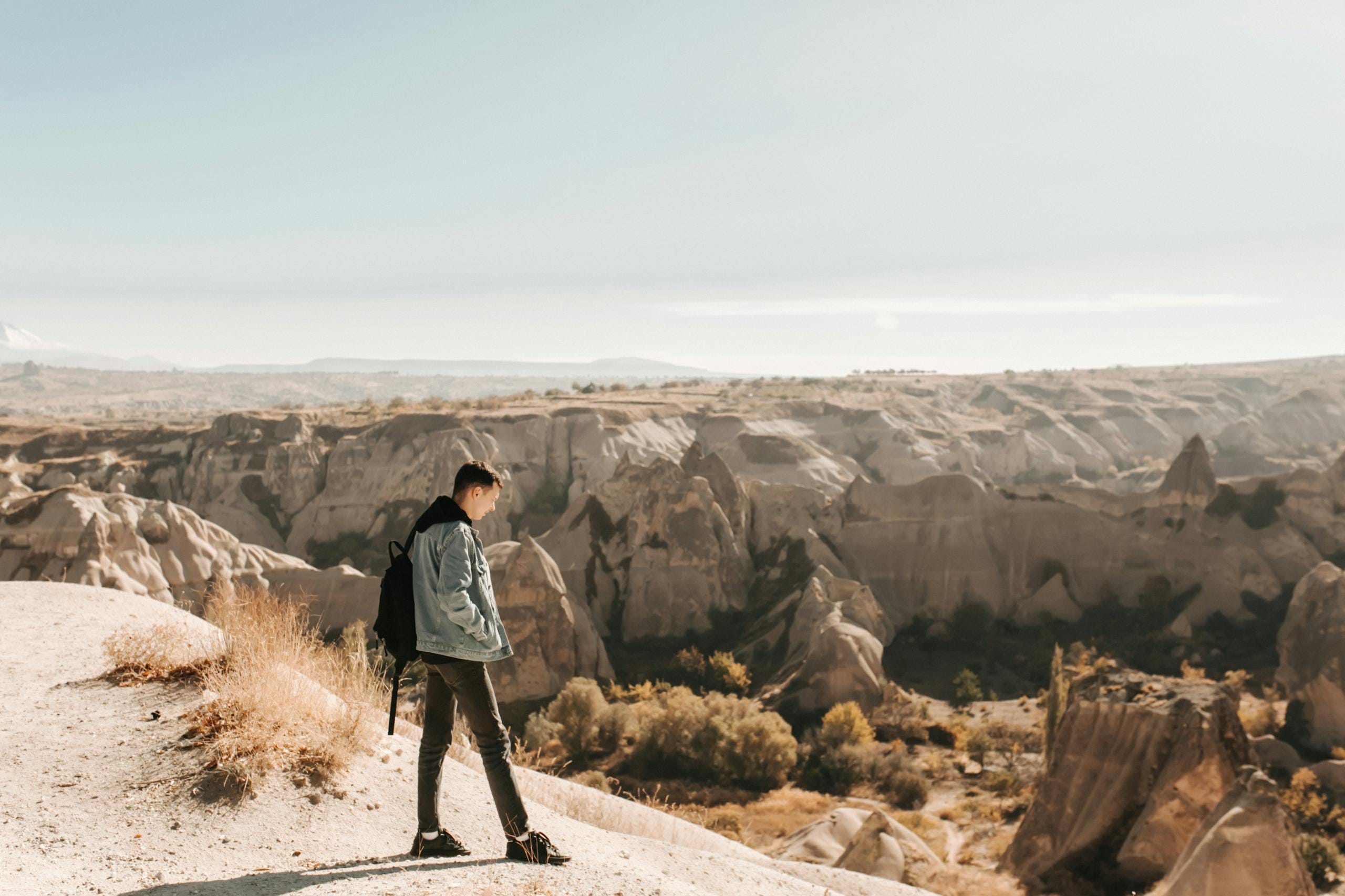
Solo Travel Turkey
Turkey is easy to travel alone: public transport is wide, tourist areas are used to independent visitors, and it is simple to meet other travelers. This guide covers safety points from government advice, the best bases for solo travelers, how to get around and how to meet people, plus a sample two-week route. For the full safety picture, read our safety guide.
Safety for solo travelers
The UK warns that street robbery and pickpocketing are common in the tourist areas of Istanbul, that unofficial taxis are highly risky, and that strangers who offer to take you to restaurants or nightclubs, or give you food and drinks, can be a risk, because drinks may be spiked. These warnings matter more when you are alone. The government pages do not single out solo women as a risk group, and no official data separates solo travelers from others. Practical steps:
- Use registered, metered or app-based taxis, and avoid drivers who approach you.
- Do not accept drinks or food from strangers, and keep control of your drink.
- Keep your hotel address and your embassy details with you, and share your plans.
- Dress for the setting; see our culture guide.
- Check your own government’s advice, including any section for women travelers.
Best bases for solo travelers
- Istanbul. The historic peninsula is walkable, and the city has hostels, tours and ferries that make it easy to meet people. See our Istanbul page.
- Cappadocia (Göreme). Hostels, day tours and balloon flights bring travelers together. See Göreme.
- Selçuk (Ephesus). A small town next to the ancient city. See our Ephesus guide.
- Fethiye and Ölüdeniz. A base for the Lycian Way, boat trips and paragliding. See Fethiye.
- Bodrum and the Aegean coast. A social scene in the resort areas. See our Aegean guide.
- Quieter picks. Safranbolu and Ankara suit travelers who like to explore at their own pace.
Getting around solo
Buses, trains, domestic flights and ferries all work for solo travel. Overnight buses can save a hotel night, but check the operator and seat rules, and sit near other passengers if you can. For city transport, see our getting around guide.
Meeting people
Hostels, guided tours and group activities such as boat trips and balloon flights are the usual ways. Ask any tour operator for a written quote that shows the group size, pickup and what is included. Shared tables at breakfast and walking tours are other easy options.
Budget
Solo travelers pay for rooms alone, so costs per person are higher than for a pair. Use our budget guide for dated prices of sights and transport, and add your own estimates for rooms and food.
Sample two-week route (suggested)
- Days 1 to 4, Istanbul. The old city, the Bosphorus and the bazaars.
- Days 5 to 7, Cappadocia. Göreme, valleys and a balloon flight if conditions allow.
- Days 8 to 10, Selçuk and Ephesus. The ancient city and nearby sights.
- Days 11 to 13, coast. Bodrum or Fethiye.
- Day 14. Depart from a coastal airport.
Read our itineraries guide for more.
Frequently asked questions
Is Turkey safe for solo travelers?
Millions of people visit each year, but governments warn of terrorism risk and advise against travel near the Syrian border. The UK also warns about pickpocketing, unofficial taxis and spiked drinks. Read your own government’s advice.
Is Turkey safe for solo women?
The government pages do not single out solo women. Standard big-city precautions apply. Check your own government’s advice for women travelers.
What are good places for solo travelers?
Istanbul, Göreme in Cappadocia, Selçuk and the Fethiye area are common bases, with hostels and tours.
How do I meet other travelers?
Hostels, group tours and boat trips are the usual ways. Ask operators about group sizes.
Do I need to book ahead?
For popular things such as Cappadocia balloon flights and holiday periods, yes.
Should I share my plans with someone?
Yes. Tell someone where you are going, and keep your hotel and embassy details with you.
Sources: UK Foreign, Commonwealth and Development Office; Go Türkiye. Updated October 2026.
 English (UK)
 Türkçe
 Deutsch
 Русский
 العربية
 Français
 Italiano
 Polski
 Български
 Español
 Nederlands
 简体中文
 Українська
 हिन्दी