
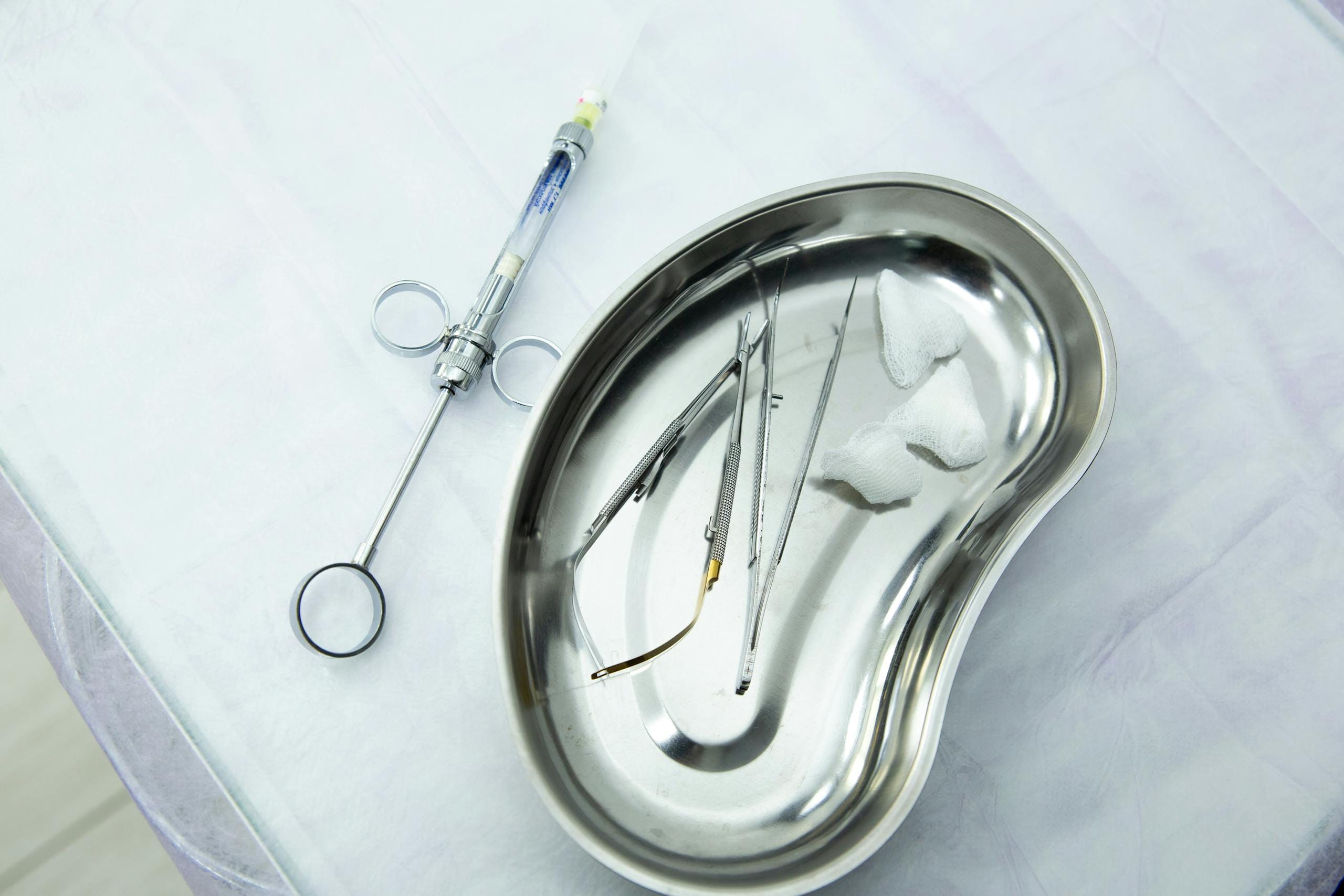
Turkey Travel Health Guide: Vaccinations, Water and Medical Care
Turkey has modern hospitals in the big cities, a good network of pharmacies and no mandatory vaccines for most travelers, so health planning is mostly about timing, insurance and a few sensible precautions. This guide pulls together what the UK government, Travel Advice Canada and the UK’s TravelHealthPro service recommend, and adds practical advice for the places you are likely to go. It is general information, not medical advice: talk to a doctor or travel clinic about your own situation, and do it early. The UK advises checking vaccine recommendations at least eight weeks before you travel.
Before you go: the checklist
- See a doctor or travel clinic eight weeks ahead if you can.
- Buy travel insurance that covers local treatment and medical evacuation. The UK says its EHIC and GHIC cards are not valid in Turkey.
- Pack any prescription medicine in its original packaging, with a letter from your doctor, and check the Turkish rules on controlled medicines (see below).
- Check the rules for your nationality in our visa requirements guide.
Vaccines for Turkey
There is no yellow fever risk in Turkey and no yellow fever vaccine entry requirement, according to Canada. These are the recommendations the sources give:
| Vaccine or risk | What the sources say |
|---|---|
| — | — |
| Routine vaccines | Be up to date, including MMR and diphtheria-tetanus-polio (TravelHealthPro) |
| Hepatitis A | Recommended for previously unvaccinated travelers (TravelHealthPro); recommended for all travelers to affected areas (Canada) |
| Hepatitis B | Recommended for all travelers (Canada) |
| Typhoid | Known or presumed to occur; vaccination considered for higher-risk activities (TravelHealthPro); low risk for most travelers (Canada) |
| Rabies | Present; avoid contact with animals including free-roaming dogs; pre-exposure vaccine advised for higher-risk travelers, such as long stays or places far from medical care |
Which ones you need depends on your itinerary, age, health and length of stay, so let a clinician decide.
Other risks to know about
- Crimean-Congo haemorrhagic fever. Canada rates the risk as generally low. Use tick protection and protective clothing around livestock or animal slaughter. There is no vaccine.
- Avian influenza. Canada says human cases have been reported and the risk is low for most travelers.
- Altitude. The UK says altitude sickness is a risk in parts of Turkey, for example on high mountains.
- Wildfires. They are frequent in summer. The UK advises calling 112 if you see one.
- Heat. Summers are very hot in many places: July and August average highs of about 34°C in Antalya and above 38°C in Şanlıurfa and Diyarbakır, according to the weather service. Plan outdoor sightseeing for early morning or late afternoon, drink plenty of water and use sun protection.
Food and water
TravelHealthPro advises every traveler to keep up personal, food and water hygiene, and says travelers with access to safe food and water are likely to be at low risk. Busy restaurants with high turnover are a better bet than quiet ones. The pages we read give no verdict on tap water, so ask your accommodation, and use bottled water if you are unsure. Wash fruit, and be careful with street food in the heat.
Medical care, pharmacies and medicines
Larger cities and resort areas have good private hospitals, and the UK publishes a list of medical providers in Turkey, some with English-speaking staff. The Turkish Ministry of Health lists approved providers on the HealthTurkiye website. The UK does not endorse any provider. In an emergency, dial 112 and ask for an ambulance.
Pharmacies (eczane) are everywhere, marked by a red letter E. Every district has a duty pharmacy (nöbetçi eczane) that stays open overnight, and closed pharmacies post its address in the window. The UK warns that British prescriptions are not accepted in Turkish pharmacies, and that some common medicines are controlled. Check the Turkish customs guidance or ask the nearest Turkish embassy before you carry medication in.
Insurance
A good policy is the single most important health preparation. Look for cover for local treatment and unexpected medical evacuation, which the UK calls particularly important if you have a health condition or are pregnant. Check the exclusions for adventure activities such as paragliding, diving and ballooning if you plan any. Our safety guide explains why you should also avoid travelling against government advice, which can invalidate cover. We found no official figures for treatment or evacuation costs, so ask your insurer rather than rely on estimates.
Medical tourism
Turkey is a major destination for cosmetic surgery, dental work and hair transplants. The UK says it is aware of 7 British nationals who died in Turkey in 2025 after medical procedures, and advises discussing any treatment with your own doctor first and researching providers independently. Canada says Canadians have had serious complications after surgery abroad and advises checking that providers are authorized by the Turkish Ministry of Health. Read our medical tourism guide before you commit.
Mental health and long-term conditions
Both the UK government and TravelHealthPro publish guidance for travelers with mental health conditions or long-term illnesses. Plan your medication supply with a margin for delays, and know where to find care.
Frequently asked questions
Do I need vaccinations to visit Turkey?
Canada says there is no yellow fever vaccine entry requirement. Health services recommend hepatitis A for most travelers, and consider hepatitis B, typhoid and rabies in some cases. See a doctor or travel clinic early.
Is it safe to drink tap water in Turkey?
The pages we read do not give a verdict. TravelHealthPro advises water and food hygiene for all travelers. If you are unsure, ask your accommodation and use bottled water.
Does my European or UK health card work in Turkey?
No. The UK says EHIC and GHIC are not valid in Turkey. You need travel insurance with medical cover and evacuation. If your card comes from another country, check with your insurer or health authority.
Can I use my UK prescription in Turkey?
No. The UK says British prescriptions are not accepted in Turkish pharmacies, and some common medicines are controlled. Check the customs rules before you travel with medication.
Is medical tourism in Turkey safe?
Official advice is cautious. The UK reports 7 deaths of British nationals after procedures in 2025, and Canada reports serious complications. Both advise researching providers and checking approval by the Turkish Ministry of Health.
Sources: UK Foreign, Commonwealth and Development Office; Government of Canada; TravelHealthPro; Turkish State Meteorological Service. Recommendations change, so check the current pages before you go. Updated October 2026.
 English (UK)
 Türkçe
 Deutsch
 Русский
 العربية
 Français
 Italiano
 Polski
 Български
 Español
 Nederlands
 简体中文
 Українська
 हिन्दी