
Pamukkale Thermal Pools: Visiting Guide with Hours, Tickets and Rules
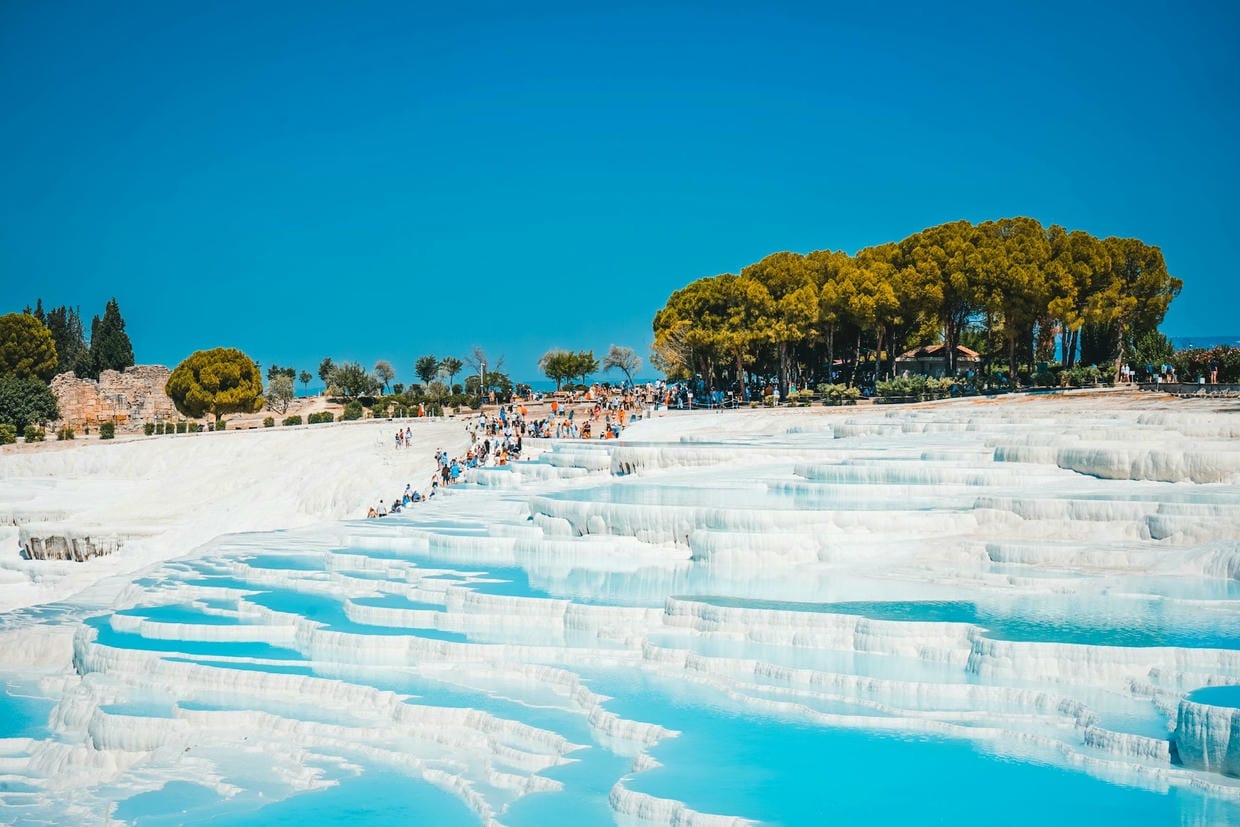
The Pamukkale thermal pools are the white travertine terraces and the ancient Hierapolis site beside them. The Ministry of Culture and Tourism lists entry at 30 euros, open every day from 08:00 to 18:00, with the box office closing at 17:00. Its page currently says the pool area is temporarily open to visitors, so check the official page before you go.
Last verified: 17 October 2026. Hours and tickets can be verified at the Ministry of Culture and Tourism (muze.gov.tr) website. Visiting rules and the antique pool fee are not from any official source. Since prices and rules change frequently, we advice that you verify before you travel.
Pamukkale thermal pools at a glance
| Fact | Detail | Source |
|---|---|---|
| Entry to the site | 30 euros | Ministry of Culture and Tourism |
| Opening hours | Every day, 08:00 to 18:00 | Ministry of Culture and Tourism |
| Box office | Closes at 17:00 | Ministry of Culture and Tourism |
| Pool area | “Temporarily opened to visitors” | Ministry of Culture and Tourism |
| Hierapolis Archaeological Museum | 30 euros, every day 08:00 to 17:30, box office closes 17:00 | Ministry of Culture and Tourism |
| Location | Hierapolis is 18 km north of Denizli | Ministry of Culture and Tourism |
| Heritage status | Hierapolis and the Pamukkale Travertines are on the UNESCO list as cultural and natural heritage | Ministry of Culture and Tourism |
| Audio guide | Available | Ministry of Culture and Tourism |
What the thermal pools and terraces are
The terraces are formed by thermal water rich in calcium bicarbonate. According to Pamukkale University, when the water meets the air, carbon dioxide escapes and calcium carbonate settles out. It starts as a soft gel and slowly hardens into travertine. There are 17 hot water areas in the region, with temperatures from 35 to 100°C.
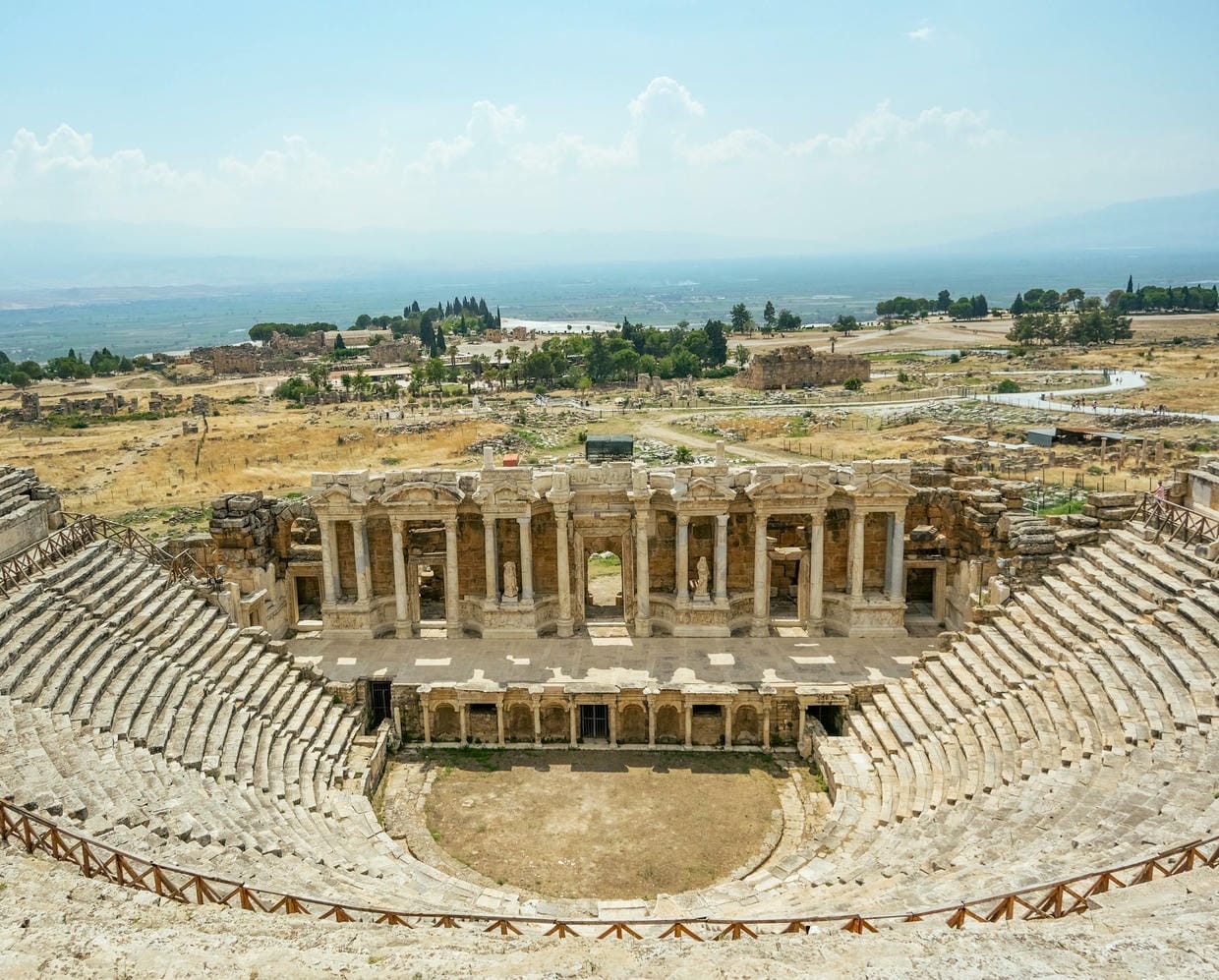
Alongside the terraces is the ancient city of Hierapolis. It is believed to have been founded by Eumenes II, King of Pergamon, in the 2nd century BC and was repeatedly destroyed and rebuilt after earthquakes. The buildings standing today date from after the earthquake of AD 60. The official list of things to see includes:
- The theater
- The Plutonium, a shrine to the god Pluto
- The Temple of Apollo
- The Nymphaeum
- The St Philip Martyrium and St Philip Church
- An antique pool and baths
- The necropolis, which the Ministry calls the largest in Southwest Anatolia
Can you swim in the Pamukkale thermal pools?
There is an antique pool and baths among the many sights of Hierapolis. The pool area shows as “temporarily open” to visitors, and there are no published swimming rules or a separate pool fees listed.
Different sources and guides report different rules for the terraces and the antique pool:
- Swimming is reported to be allowed only in the designated antique pool, for an extra fee, and not in the natural white pools.
- Other sources lists the antique pool at 350 lira or 15 euros in 2026. We could not confirm an official figure.
- Visitors walk barefoot on the terraces, and in generally, guards require barefoot, socks or shower shoes because the soft deposit can crumble under foot traffic.
- Some pools are reported to be dry because water is rotated between them.
Best time to visit Pamukkale
These are official averages for Denizli, the nearest station, about 18 km from the site, so conditions at the terraces can differ.
| Month | Average daily high | Rainy days |
|---|---|---|
| January | 10.7°C | 12 |
| February | 12.4°C | 10 |
| March | 16.1°C | 11 |
| April | 21.1°C | 10 |
| May | 26.5°C | 9 |
| June | 31.5°C | 5 |
| July | 34.8°C | 2 |
| August | 34.7°C | 2 |
| September | 30.3°C | 3 |
| October | 24.0°C | 6 |
| November | 17.6°C | 8 |
| December | 12.4°C | 12 |
Source: Turkish State Meteorological Service (MGM), Denizli station averages for 1957 to 2025. These are long-term averages, not a forecast.
May and October bring highs of 26.5°C and 24.0°C, with fewer rainy days than winter. July and August are the hottest, at highs near 34.8°C. Winter has 10 to 12 rainy days a month and highs of 10.7 to 12.4°C. Our best time to visit Turkey guide covers the rest of the country.
Plan your visit
- Arrive before the box office closes. The site closes at 18:00 but the box office closes at 17:00, according to the Ministry.
- Museum hours differ. The Hierapolis Archaeological Museum is open every day from 08:00 to 17:30, with its box office closing at 17:00. The Ministry lists it with its own 30 euro ticket.
- Bring what you need for walking barefoot, since reports indicate that shoes are not allowed on the terraces.
- Check opening hours for religious holidays, because some Ministry sites change their hours.
Getting there
Denizli is the nearest large city, about 18 km from Hierapolis according to the Ministry. Our getting around Turkey guide and itineraries guide cover routes across the country, and our Pamukkale destination page covers the area.
Combine Pamukkale with other stops
Two other recommended sites you can add to a trip:
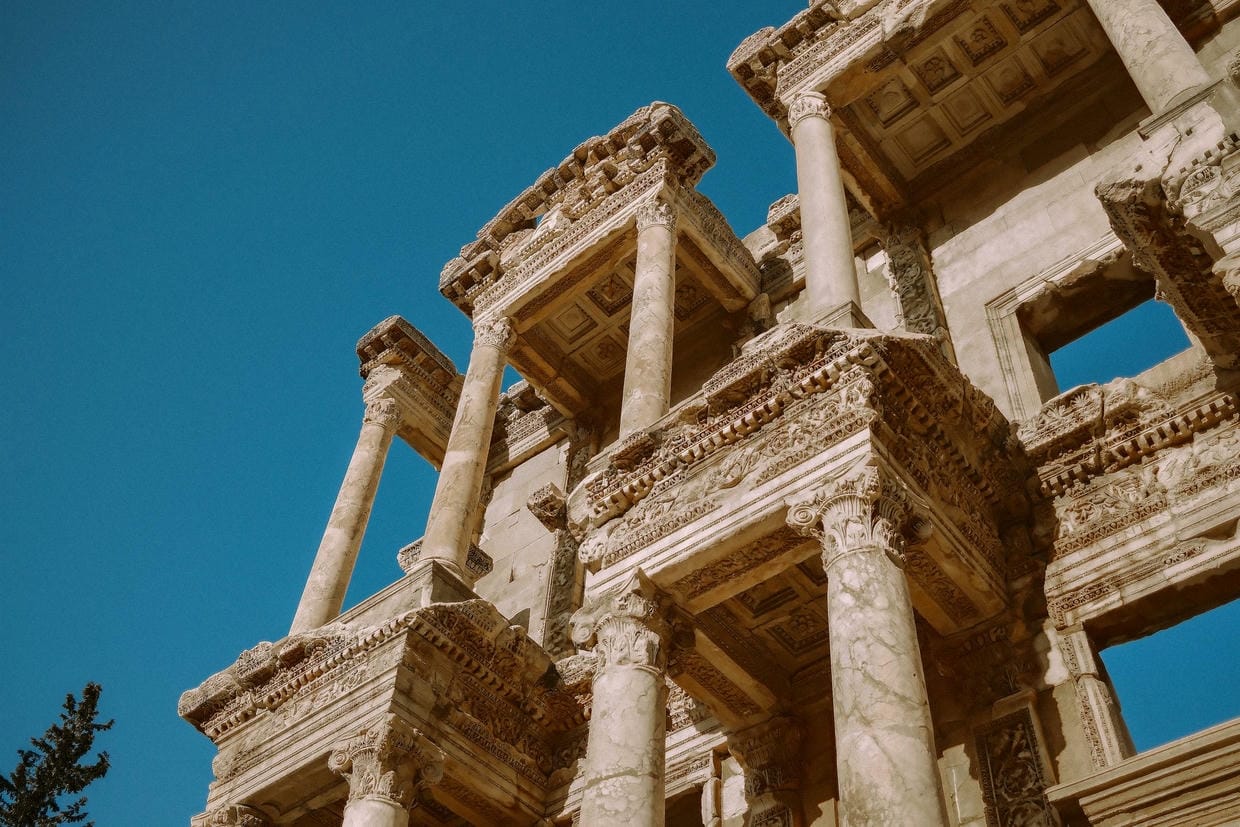
- Ephesus: open every day from 08:00 to 18:00, with a ticket of 40 euros. UNESCO inscribed it in 2015. See our Ephesus page.
- Aphrodisias: open every day from 08:30 to 17:30, with a ticket of 12 euros. UNESCO inscribed it in 2017.
For the larger picture, see places to visit in Turkey, and the Izmir page for the region’s gateway city. If you are also heading to Cappadocia, see Istanbul to Cappadocia.
What is not ideal about Pamukkale
- Heat: July and August highs average about 34.8°C at the Denizli station.
- Rules on the terraces: the barefoot rule, and because foot traffic can crumble the soft deposit, so expect limits on where you can walk.
- A temporary pool opening: the Ministry says the pool area is only temporarily open, so confirm before you plan around it.
- Two tickets: the site and the museum are each listed at 30 euros, so check what you need.
- Unconfirmed details: the antique pool fee and swimming rules are not officially cited.
Frequently asked questions
Can you swim in the Pamukkale thermal pools?
The Ministry lists an antique pool and baths and says the pool area is temporarily open, but publishes no swimming rules. Travel guides report that swimming is allowed only in the designated antique pool for an extra fee. Check the current rules and fee before you go.
How much is a Pamukkale ticket?
The Ministry of Culture and Tourism lists entry to the Hierapolis Pamukkale Travertine Archaeological Site at 30 euros. The Hierapolis Archaeological Museum is separately listed at 30 euros. The antique pool fee is not published on the Ministry page, so confirm it on site.
What time does Pamukkale open?
According to the Ministry, the site is open every day from 08:00 to 18:00, and the box office closes at 17:00. The Hierapolis Archaeological Museum is open from 08:00 to 17:30, with its box office closing at 17:00. Hours can change, so check before you travel.
When is the best time to visit Pamukkale?
May and October are comfortable, with Denizli averages of 26.5°C and 24.0°C and fewer rainy days than winter. July and August are the hottest, at highs near 34.8°C. Denizli is about 18 km from the site, so conditions at the terraces can differ.
Is Pamukkale worth visiting?
It combines the white travertine terraces with the ancient city of Hierapolis, and the Ministry notes the whole area is on the UNESCO list as cultural and natural heritage. Expect rules on the terraces and heat in summer, and check the current pool access before you go.
Plan your Pamukkale trip with local operators
Ready to book? Browse the Turkey operators directory and filter by region to compare operators for Aegean tours and transfers. Ask each for a written quote.
 English (UK)
 Türkçe
 Deutsch
 Русский
 العربية
 Français
 Italiano
 Polski
 Български
 Español
 Nederlands
 简体中文
 Українська
 हिन्दी