
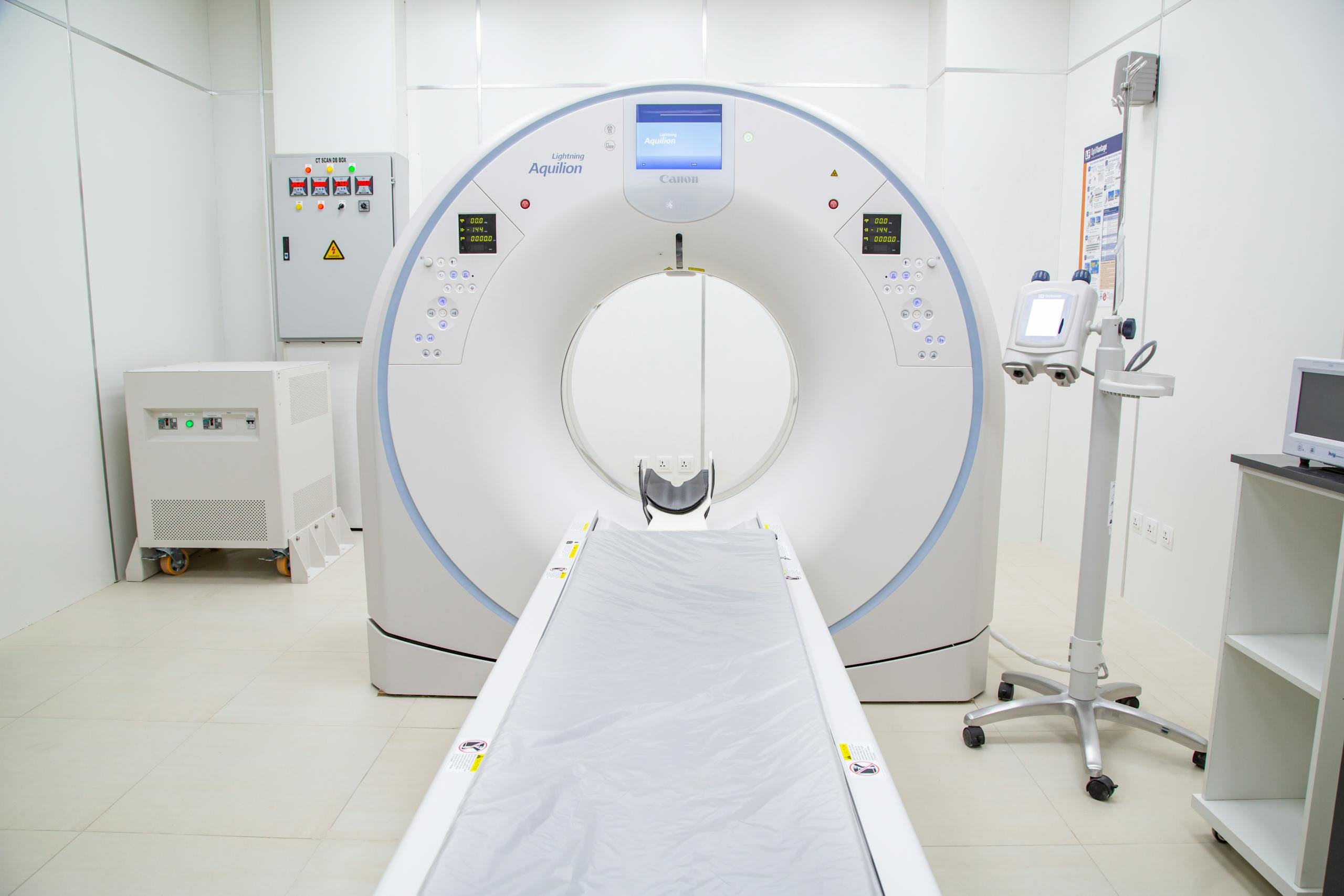
Medical Tourism Turkey: The Complete 2026 Guide
Turkey has become one of the world’s most significant destinations for medical travel. In 2024, Turkey hosted approximately 1.5 million international health tourists, and the sector shows no signs of slowing. The market is projected to grow from $3.97 billion in 2025 to $9.49 billion by 2031 — driven by a combination of cost savings, internationally accredited hospitals, and a government actively investing in the sector.
This guide is written to give you an honest, research-based picture of what medical tourism in Turkey actually involves — costs, quality, safety, what to look out for, and how to plan a trip that gives you the best outcome.
Why Turkey Has Become a Global Medical Hub
Three structural factors explain Turkey’s rise, and none of them are marketing:
Cost. Procedures such as dental implants, cosmetic surgeries, and orthopedic treatments can cost up to 70% less in Turkey than in the US or the UK. A coronary artery bypass graft averages $12,000 in Istanbul compared to $70,000–120,000 in the US, and a rhinoplasty priced at $8,000–15,000 domestically costs $2,500–4,000 in Turkey. These are not marginal differences — they make treatment accessible to people who could not otherwise afford it.
Accreditation. Turkey has over 50 JCI-accredited hospitals, placing it second globally in the number of JCI-certified facilities. JCI (Joint Commission International) is the gold standard in global healthcare accreditation — the same standard applied to top hospitals in the US and Europe. These hospitals are located primarily in major cities such as Istanbul (Acıbadem, Memorial, Florence Nightingale, American Hospital) and offer specialties including oncology, neurosurgery, orthopedics, plastic surgery, reproductive health, and organ transplantation.
Location. Istanbul’s four-hour flight radius covers 129 countries, making Turkey genuinely accessible for patients from Europe, the Gulf, Central Asia and North Africa without the long-haul travel that other medical tourism destinations require.
The Numbers: What the Data Actually Says
It’s worth being precise here because figures vary considerably between sources. Official figures from USHAŞ (the state agency for international health services) point to approximately 1.5 million international health tourists in 2024, generating about $3 billion in revenue. In Q2 of 2025 alone, Turkey recorded 733,798 health visitors and $1.39 billion in revenue.
The market is growing rapidly across all segments. Hair transplantation accounted for 51.9% of Turkey’s medical tourism market share in 2025, and the segment is expected to reach $9.3 billion by 2035, growing at a CAGR of 17.6%. The dental sector is projected to reach $5 billion by 2025, with dental tourism accounting for 70% of this figure.
The Most Popular Procedures
Hair Transplantation
Turkey performs approximately 1,500 hair transplants each day, making it the global leader in this field. The dominant techniques are FUE (Follicular Unit Extraction), DHI (Direct Hair Implantation) and Sapphire FUE. In July 2024, Vera Clinic introduced a new approach combining Stem Cell Therapy, Sapphire FUE and OxyCure Therapy, achieving a 99% follicular survival rate. Istanbul is widely recognised as the world capital of hair restoration, with package pricing typically including the procedure, hotel accommodation, airport transfers and a post-op care kit.
Typical cost: €1,500–3,500 for a full procedure package (UK comparison: £7,000–15,000+)
Dental Treatments
Dental work drives enormous volumes of medical tourism to Turkey. A full set of dental veneers in Turkey costs between $3,000 and $6,000, while the same procedure may cost as much as $20,000 in the US. Dental implants, which can cost up to $5,000 per tooth in countries like the US, are offered in Turkey for $600 to $1,500.
The most common dental procedures:
- Dental veneers / Hollywood Smile — full set of porcelain veneers across front teeth
- Dental implants — titanium root replacement for missing teeth
- Zirconia crowns — tooth-coloured crowns with high durability
- Full mouth restoration — comprehensive reconstruction combining implants, crowns and veneers
- Root canal treatment — typically 60–70% cheaper than UK/US prices
Turkish dental clinics typically use 3D imaging (CBCT scanning), CAD/CAM design technology and digital smile design software — the same technology used in premium clinics in Western Europe.
Cosmetic and Plastic Surgery
Cosmetic and plastic surgery represented 38.54% of Turkey’s medical tourism market share in 2025, with 470,900 rhinoplasty, liposuction and breast augmentation cases in 2023. Turkey has developed a particular reputation for rhinoplasty (nose reshaping), which attracts patients from across Europe, the Gulf and North America.
Popular procedures and approximate Turkey costs:
- Rhinoplasty: $2,500–4,500 (US: $8,000–15,000)
- Breast augmentation: $3,000–5,500 (UK: £7,000–12,000)
- Liposuction: $2,000–4,000 (US: $6,000–12,000)
- Tummy tuck (abdominoplasty): $3,500–6,000 (US: $8,000–15,000)
- Facelift: $4,000–8,000 (UK: £12,000–20,000)
- Blepharoplasty (eyelid surgery): $1,500–3,000
Bariatric (Weight Loss) Surgery
Gastric sleeve and gastric bypass surgeries attract significant numbers of patients from the UK and Europe, where NHS waiting lists are long and private costs are high. Turkey offers the same laparoscopic procedures at a fraction of the cost, typically in accredited hospitals with dedicated bariatric programs.
Typical costs: Gastric sleeve €3,000–5,000 (UK private: £9,000–14,000)
Ophthalmology
LASIK, PRK and implantable collamer lens (ICL) procedures are popular, with Turkish clinics using the same laser platforms (VISX, WaveLight, Zeiss MEL) as European and American centres at significantly lower cost. Cataract surgery, including premium lens implants, is also frequently sought by patients from countries with long NHS waiting times.
IVF and Fertility Treatment
Turkey’s fertility clinics attract patients primarily from European countries where egg donation is legally restricted or waiting lists are prohibitive. Turkish law permits egg donation, and success rates at accredited Istanbul fertility centres are comparable to leading European clinics. Full IVF cycles with egg donation cost €3,000–5,500, compared to €8,000–15,000 in Western Europe.
Oncology and Complex Medical Treatments
Turkey is a global leader in kidney and liver transplants, and leading hospital groups such as Acıbadem and Memorial have invested heavily in oncology infrastructure. Acibadem Healthcare Group opened its 127-bed Kartal Hospital in February 2025 with proton therapy and robotic surgical suites. Cardiovascular surgery, orthopedic joint replacement and neurosurgery at accredited Istanbul hospitals offer considerable cost savings for patients from high-cost healthcare systems.
Understanding Accreditation and Safety
This is the most important section of this guide and the one most medical tourism marketing glosses over. The honest picture is nuanced.
JCI Accreditation — What It Means and What It Doesn’t
JCI accreditation can’t guarantee a perfect aesthetic result. It also doesn’t guarantee a zero-complication experience. What it can do is raise the baseline: standardized protocols, clearer documentation, safer medication processes, stronger infection prevention, and a more reliable escalation pathway if something goes wrong.
JCI-accredited Turkish hospitals meet the same infection control and safety standards as Western facilities. However, verify individual surgeon credentials rather than assuming all Turkish providers offer equivalent skill levels.
Critically: JCI accreditation applies to the hospital, not to individual clinics or intermediary agents. Many medical tourism packages in Turkey route patients through brokers to clinics that may not themselves hold accreditation. Always verify the accreditation status of the specific institution where your procedure will take place — not the agent booking it. You can check current JCI status directly at the official JCI website (jointcommissioninternational.org).
The Health Tourism Authorization Certificate
Ask for clarity on the Health Tourism Authorization Certificate (Sağlık Turizmi Yetki Belgesi) for planned foreign-patient services — especially if an intermediary is involved. This helps confirm your care is delivered through the regulated international health tourism pathway, not an informal setup with weaker accountability.
In April 2025, Turkey introduced updated regulations on international health tourism that set clearer standards for licensed providers and intermediaries — a positive development for patient safety and transparency.
Choosing Providers Safely
The key questions to ask any provider before committing:
- What is the exact name and address of the hospital or clinic where my procedure will take place?
- Can you share the surgeon’s name, qualifications, training background and approximate annual procedure volume?
- Does the facility hold current JCI accreditation? (Ask for the certificate with validity dates.)
- Does the facility hold a Health Tourism Authorization Certificate?
- What does the quoted price include and exclude? (Anaesthesia, medications, lab tests, follow-up appointments, accommodation — all should be itemised.)
- What is the aftercare plan once I return home? Who manages complications or revision needs?
- What is the revision and complaints policy?
The real question is not “Is Turkey safe in general?” It is “Is this provider safe for my treatment?” A well-chosen hospital with strong diagnostics, experienced doctors, transparent planning and reliable aftercare can be a very different experience from a low-cost provider chosen only because of price.
How to Plan Your Medical Trip to Turkey
Step 1: Get a diagnosis and recommendation at home first
Before approaching any Turkish clinic, have your condition properly assessed by your home country doctor. Get a written diagnosis, any relevant scans or test results, and ideally a treatment recommendation. This gives Turkish providers something concrete to work from and prevents you arriving without a clear clinical picture.
Step 2: Research providers independently
Go beyond the first Google result. Look for clinics with published surgeon profiles, verifiable accreditation, and reviews on independent platforms (not just the clinic’s own website). Medical tourism forums (particularly Reddit’s r/plasticsurgery, r/hairloss and specialist Facebook groups) contain genuinely unfiltered patient experiences. Before-and-after results from named, verifiable surgeons are more meaningful than anonymous gallery images.
Step 3: Get itemised written quotes from multiple providers
Request an itemised quote and confirm inclusions: surgeon fees, anaesthesia, medications, lab tests, implants if relevant, hospital nights, and transfers. Packages that look cheap often exclude critical line items. A price 30% lower that then adds anaesthesia, tests and medication separately is not actually cheaper.
Step 4: Plan travel insurance carefully
Standard travel insurance typically excludes elective medical procedures. You need a specialist medical travel insurance policy that covers:
- Pre-existing conditions and the planned procedure
- Medical repatriation if complications require you to return home early
- Emergency treatment unrelated to your procedure
- Extended stay costs if recovery takes longer than planned
Step 5: Understand the timeline
Most patients stay 7–10 days depending on the procedure and recovery plan. Realistic minimum stays by procedure type:
- Hair transplant: 3–4 days
- Dental work (veneers/implants): 5–10 days depending on complexity
- Rhinoplasty: 7–10 days
- Gastric sleeve: 5–7 days
- Major cardiac or oncology: 2–4 weeks or longer
Do not fly within 24–48 hours of surgery — blood clot risk increases significantly. Most reputable surgeons will advise you specifically on flying restrictions for your procedure.
Step 6: Plan aftercare before you leave
The most common failure point in medical tourism is not the procedure itself — it’s what happens when you get home. Identify a doctor at home who is willing to manage your aftercare, handle any complications, and liaise with your Turkish provider if needed. Not all GPs are willing to manage complications from elective overseas procedures. Clarify this before you travel, not after.
Where in Turkey: The Main Medical Hubs
Istanbul
The dominant centre for medical tourism — home to the vast majority of JCI-accredited hospitals and the most internationally experienced medical teams. Acıbadem, Memorial, Florence Nightingale and the American Hospital are the flagship institutions. Istanbul concentrates Turkey’s most experienced surgeons in cosmetic surgery, hair transplants, oncology, cardiac surgery, and organ transplantation. Easily accessible with direct flights from most European, Middle Eastern and Central Asian cities.
Antalya
The second major hub, particularly for dental work, cosmetic surgery and bariatric procedures. The combination of high-quality clinics and a major tourist resort makes recovery pleasant. Several dedicated medical tourism clinics have established themselves here specifically targeting European package travellers.
Ankara
Turkey’s capital and home to major teaching hospitals and specialist centres. Less developed for international patients than Istanbul but home to strong oncology and cardiac surgery programmes.
İzmir
Growing medical tourism hub on the Aegean coast. Good dental and cosmetic surgery options with the added benefit of the coastal region for recovery.
Combining Medical Treatment with Travel
Turkey’s geography makes combining treatment with recovery tourism genuinely practical — and for many patients, the change of environment and the cultural experience is part of the appeal.
Realistic recovery travel by procedure:
- Hair transplant: Light sightseeing from day 3–4 is typically fine. Avoid direct sun on the transplanted area.
- Dental veneers: Normal tourism from day 2 in most cases — no physical restrictions.
- Rhinoplasty: Rest for 7–10 days before any active tourism. A week in a comfortable Istanbul hotel before exploring is sensible.
- Gastric sleeve: Limited activity for 2 weeks. Gentle walks from day 3–4.
- Major surgery: Recovery comes first. Tourism is secondary and only when medically cleared.
Red Flags to Avoid
Not every provider in Turkey’s medical tourism market maintains the standards the best ones do. Watch for:
- No named surgeon in the package — if you can’t verify who will perform your procedure before you arrive, that’s a serious concern.
- Unrealistically low prices — a rhinoplasty quoted at €800 when the market rate is €2,500–4,000 should prompt questions about what’s been cut.
- Pressure to book quickly — “This price is only available today” is a sales tactic, not a clinical practice.
- Vague aftercare — any provider who can’t give you a clear written aftercare plan before you travel is not properly prepared for complications.
- Brokers who won’t confirm hospital accreditation in writing — legitimate providers are proud of their accreditation and share it readily.
- Clinics operating without a Health Tourism Authorization Certificate — this is the Turkish government’s baseline requirement for international patient services.
Cost Comparison: Turkey vs UK/US
| Procedure | Turkey (approx.) | UK (approx.) | USA (approx.) | Saving |
|---|---|---|---|---|
| Hair transplant (2,000 grafts) | €1,500–2,500 | £7,000–12,000 | $8,000–15,000 | 60–80% |
| Dental implant (per tooth) | $600–1,500 | £2,000–3,500 | $3,000–5,000 | 65–80% |
| Full veneers (20 teeth) | $3,000–6,000 | £12,000–20,000 | $15,000–25,000 | 65–80% |
| Rhinoplasty | $2,500–4,500 | £6,000–10,000 | $8,000–15,000 | 55–70% |
| Gastric sleeve | €3,000–5,000 | £9,000–14,000 | $15,000–25,000 | 60–75% |
| IVF with egg donation | €3,000–5,500 | £10,000–20,000 | $25,000–40,000 | 65–85% |
| LASIK (both eyes) | $1,200–2,500 | £2,500–4,500 | $4,000–6,000 | 50–70% |
| Coronary bypass surgery | ~$12,000 | £25,000–40,000 | $70,000–120,000 | 70–90% |
Note: All prices are approximate ranges. Get written itemised quotes from multiple providers before making any decision. Package prices vary significantly by clinic quality, surgeon experience, included services and location within Turkey.
The Honest Assessment
Medical tourism in Turkey at its best is genuinely world-class — internationally accredited hospitals, surgeons with thousands of procedures of experience, and outcomes that compare favourably with anywhere in the world, at a fraction of the cost.
At its worst, it’s under-regulated providers offering procedures they’re not equipped to handle safely, with no aftercare plan and no accountability when things go wrong.
The difference between these two experiences comes down almost entirely to the quality of research you do before you commit. Price should be one factor in your decision, not the primary one. A dental implant that costs €600 instead of €1,500 is not a good outcome if it fails after six months.
Turkey’s government has recognised this and is actively tightening regulation of the sector — the April 2025 regulatory update on international health tourism was a significant step. The Health Tourism Authorization Certificate requirement means the formal pathway is increasingly separated from the informal one. Use the formal pathway.
Frequently Asked Questions
Do I need a visa for medical treatment in Turkey?
Visa rules for medical travel depend on your passport and the purpose of your trip. The Government of Canada says medical stays need a visa, and links the HealthTürkiye medical visa page. That page says applicants must apply for a medical visa if one is required, and points to the Turkish Ministry of Foreign Affairs and Turkish embassies for the rules. Turkey’s Ministry of Foreign Affairs describes the e-visa as for tourism or commerce. Confirm with the Turkish embassy or consulate in your country before you book treatment.
Will I need an interpreter?
Most healthcare facilities in Turkey provide comprehensive language support, with staff fluent in English, Arabic, German, French and other major languages. Reputable clinics assign a patient coordinator who accompanies you throughout your treatment — a genuine differentiator from receiving treatment at home.
What if something goes wrong after I return home?
This is the most important practical question to resolve before you travel. Arrange with a doctor at home — ideally in writing — that they will manage any post-operative complications or follow-up. Ensure your medical travel insurance includes medical repatriation coverage. Keep all your Turkish medical records (ask for a full translated summary before you leave) and the direct contact details of your Turkish surgeon for any complications that arise.
How do I verify a surgeon’s credentials?
Ask for the surgeon’s full name, their medical school, specialty training, board certification and how many of your specific procedure they perform annually. A surgeon performing 300 rhinoplasties a year has different experience than one performing 30. Legitimate surgeons have verifiable online presences — published profiles, conference presentations, peer-reviewed papers in some cases. Be sceptical of unnamed “our expert surgeons” marketing language.
Can I combine treatment with a holiday?
Yes, and many patients do — Turkey is an exceptional travel destination. The practical constraint is your recovery timeline. Build your itinerary around recovery first, tourism second. Cappadocia or the Aegean coast make excellent recovery bases for patients who have a week or two of relative rest before they can be more active.
Where to Go for Treatment
Istanbul is Turkey’s main medical tourism hub, with Antalya also home to a growing number of accredited clinics.
Looking for inspiration? Explore our Istanbul and Antalya destination guides, or browse Spa & Wellness retreats for more ideas.
 English (UK)
 Türkçe
 Deutsch
 Русский
 العربية
 Français
 Italiano
 Polski
 Български
 Español
 Nederlands
 简体中文
 Українська
 हिन्दी