
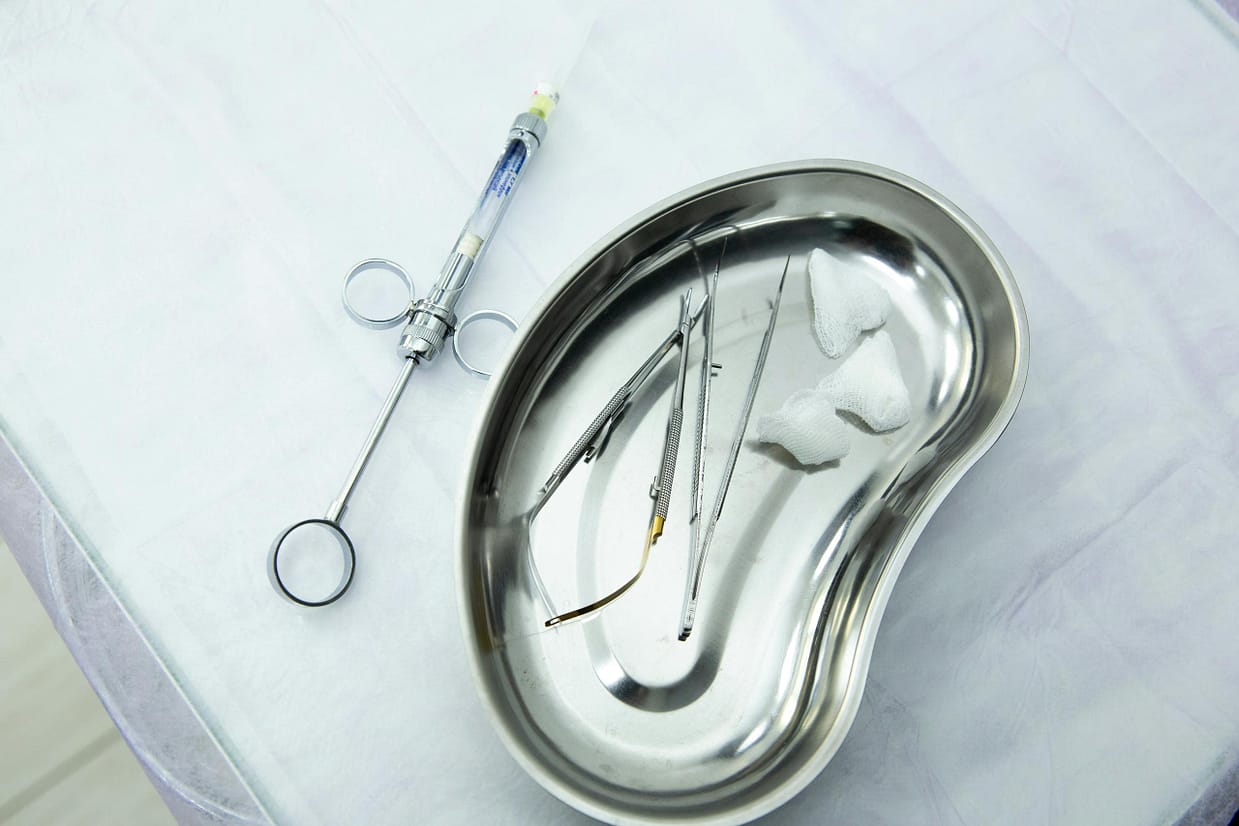
Przewodnik po zdrowiu w Turcji: Szczepienia, wodę i opiekę medyczną
Turkey is a middle-income country with good-quality medical facilities in major cities and tourist areas. Health risks for tourists are low compared to many other travel destinations. This guide covers what you need to know before departure.
Important: This guide provides general information only. Consult your GP, travel health clinic, or pharmacist at least 4 to 6 weeks before departure for personalised advice based on your medical history and itinerary.
Vaccinations for Turkey
No vaccinations are legally required to enter Turkey (unless arriving from a country with yellow fever risk, in which case a yellow fever certificate may be required).
Vaccinations recommended by most travel health advisories:
Routine vaccinations: Ensure you are up to date with routine childhood vaccinations — MMR (measles, mumps, rubella), diphtheria-tetanus-polio, and meningitis. These should be current regardless of destination.
Hepatitis A: Recommended for all travellers. Hepatitis A can be contracted through contaminated food or water. Vaccination provides excellent protection.
Hepatitis B: Recommended if you may have medical treatment, dental procedures, or sexual contact during your trip.
Typhoid: Recommended for travel to rural areas or if you plan to eat from street food extensively. Lower risk in major cities and tourist areas.
Rabies: Recommended for extended travel, outdoor activities, or areas away from reliable medical facilities. Turkey has a stray dog and cat population, particularly in rural areas and smaller towns.
COVID-19: Ensure you are up to date with current recommendations in your home country.
Not required or routinely recommended: Malaria (no malaria risk in Turkey’s tourist areas), Japanese encephalitis, yellow fever.
Is Tap Water Safe to Drink in Turkey?
Tap water in Turkey is treated and technically safe in most urban areas. However, the local microbiome differs from what most international visitors are accustomed to, and drinking tap water is a common cause of travellers’ stomach issues — particularly in the first few days.
Standard advice: Drink bottled water for the first few days at minimum. After that, some travellers switch to tap water without issue; others continue with bottled throughout.
Bottled water: Extremely cheap and universally available. A 1.5 litre bottle costs 15 to 25 TRY (under $1). Brands include Erikli, Hayat, and Damla.
Tap water is fine for: Brushing teeth, showering, washing fruit and vegetables.
Ice: In tourist restaurants and hotels, ice is typically made from filtered water. In very local establishments, if in doubt, skip the ice.
Travellers’ Diarrhoea
Travellers’ diarrhoea is the most common health complaint in Turkey, affecting roughly 20 to 30% of visitors in their first week. It is usually caused by bacteria in food or water, most often at roadside food stalls or restaurants with poor hygiene rather than tourist-standard establishments.
Prevention: Eat at busy, reputable establishments. Avoid raw shellfish. Be cautious with street food from vendors who appear to have low turnover. Peel fruit yourself. Drink bottled water.
Treatment: Most cases resolve within 3 to 5 days with rest, hydration, and oral rehydration salts (widely available at Turkish pharmacies). Carry rehydration sachets and a course of antibiotics (prescribed by your doctor at home) for severe cases.
Sun and Heat
In summer (June to September), temperatures in coastal areas and Cappadocia regularly reach 35 to 40C. Heat-related illness is a genuine risk, particularly for visitors doing strenuous sightseeing.
Practical measures: Start outdoor activities early (before 10am) and after 5pm. Rest during the hottest part of the day. Drink water consistently — at least 2 to 3 litres per day in high heat. Wear a hat and sunscreen (SPF 50 recommended). Dehydration compounds rapidly in extreme heat.
Medical Care in Turkey
Major cities and tourist areas: Istanbul, Ankara, Izmir, Antalya, and other major tourist areas have good quality private hospitals with English-speaking doctors. Many hospitals catering to tourists have internationally trained staff. Medical treatment is generally of a high standard in these facilities.
Rural and remote areas: Medical facilities are limited. For any significant health issue, evacuation to a major city is advisable.
Pharmacies (eczane): Turkey has an excellent pharmacy system. Pharmacies are widespread (identified by a green cross sign) and pharmacists will often treat minor ailments directly without requiring a doctor’s appointment. Many medications available only on prescription in Europe and the US are available over the counter in Turkey.
Ubezpieczenie W Podróży
Travel insurance is strongly recommended. Ensure your policy includes:
Medical evacuation: Essential. If you need evacuation from a rural area or repatriation in a serious case, this can cost $50,000 to $150,000 without insurance.
Medical treatment: Private hospitals in Turkey charge standard international rates. A hospital stay can cost $1,000 to $5,000 per day.
Cancellation and disruption: Standard coverage.
EHIC (European Health Insurance Card) provides reciprocal healthcare in Turkey for EU citizens but with limitations — private treatment (which is often necessary for quality care) is not covered. Full travel insurance is recommended even for EU citizens.
Pharmacies and Medication
Turkish pharmacies are excellent and extensively stocked. Common medications (antihistamines, pain relief, diarrhoea remedies, rehydration salts, antifungals) are available without prescription at very low cost.
If you take prescription medication, bring an adequate supply for your trip plus extra in case of delays. Carry medications in their original packaging with a copy of the prescription.
Emergency after-hours pharmacy: Each district designates a nöbetçi eczane (duty pharmacy) that remains open overnight. The address is posted in the windows of closed pharmacies, or available from hotels.
 English (UK)
 Türkçe
 Deutsch
 Русский
 العربية
 Français
 Italiano
 Polski
 Български
 Español
 Nederlands
 简体中文
简体中文 Українська
 हिन्दी